
The passive income revolution is here, and artificial intelligence is leading the charge. In 2026, creating digital products no longer requires years of design experience or coding skills. AI tools have democratized the entire process, allowing anyone with an idea to build profitable digital assets in hours instead of weeks.

Digital products—eBooks, templates, online courses, printables, and AI prompt packs—offer an incredible opportunity. They cost almost nothing to produce, require no inventory, and can generate income while you sleep.
The game-changer? AI tools to create digital products are now powerful enough to handle everything from writing and design to video production and automation. Whether you’re a complete beginner or an experienced creator looking to scale, these tools can 10x your productivity.
This guide breaks down the 10 best AI tools you can start using today to build your own digital product empire.
👉 Let’s explore the best AI tools you can start using today.
What Are Digital Products?
Digital products are downloadable or streamable assets that customers can access online. Unlike physical goods, they’re delivered instantly with no shipping or manufacturing costs.
Popular examples include:
- eBooks and guides
- Online courses and tutorials
- Design templates (Canva, Notion, Figma)
- Stock photos and digital art
- Software and plugins
- AI prompt collections
- Printable planners and worksheets
Why digital products win:
The beauty of digital products lies in their scalability. Create once, sell unlimited times. No inventory headaches, no shipping logistics, just pure profit margins ranging from 70-95%.
They’re the perfect foundation for passive income because they work around the clock, across time zones, reaching customers globally without any extra effort from you.
Why Use AI Tools to Create Digital Products?
Key Benefits
AI has fundamentally changed how we create content. Here’s why using AI tools to create digital products makes perfect sense in 2026:
1. Speed That Changes Everything
What used to take days or weeks now happens in minutes. AI writing assistants can draft an entire eBook outline in seconds. Design tools generate professional templates instantly.
2. Zero to Hero Learning Curve
You don’t need a design degree or coding bootcamp. Modern AI tools are built for beginners, with intuitive interfaces that guide you through creation step-by-step.
3. Automation Equals Scalability
AI handles repetitive tasks—writing product descriptions, generating variations, creating social media content—freeing you to focus on strategy and growth.
4. Dramatically Lower Costs
Traditional digital product creation required expensive software subscriptions and freelancer fees. Many powerful AI tools offer free tiers or affordable monthly plans under $30.
AI tools excel across multiple creation areas: writing compelling copy, designing eye-catching visuals, editing professional videos, and even marketing your finished products.
The result? More products in less time, with quality that rivals professionally created assets.
How to Choose the Right AI Tool
Selection Criteria
With hundreds of AI tools flooding the market, choosing the right one matters. Here’s your evaluation framework:
Ease of Use
Can you create something valuable within your first hour? The best tools have clean interfaces and clear tutorials.
Pricing Structure
Look for generous free tiers or trials. Premium plans should align with your expected revenue. Starting free is smart business.
Output Quality
Test before committing. Does the AI produce work you’d actually sell? Quality beats speed every time.
Specific Use Cases
Match tools to your product type. Writing tools for eBooks, design platforms for templates, video generators for courses.
Integration Capabilities
Tools that connect with marketplaces (Shopify, Etsy) or other software save hours of manual work.
13 Latest AI Developer Tools News Every Programmer Should Know
10 Best AI Tools for Affiliate Marketing in 2026 (Boost Traffic & Commissions)
10 Proven AI Tools to Create Digital Products
7.1 ChatGPT / Claude (AI Writing Assistants)
Best for: eBooks, course content, blog post bundles, email templates
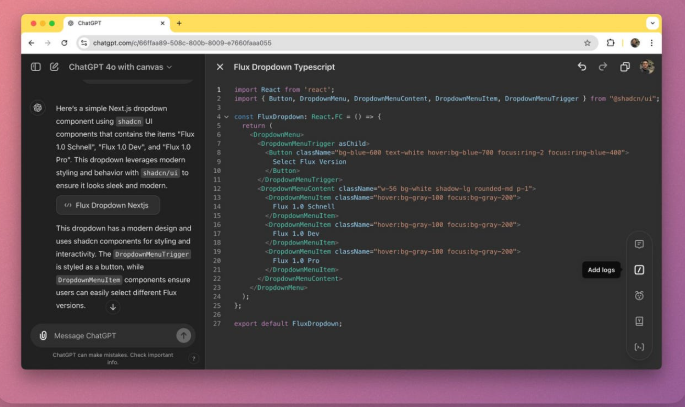
AI writing tools have revolutionized content creation. ChatGPT and Claude can generate everything from book outlines to full chapters, making them perfect for information products.
Key Features:
- Generate long-form content in minutes
- Research and organize complex topics
- Create course scripts and lesson plans
- Develop multiple content variations
Example Digital Product: Create and sell comprehensive Kindle eBooks on trending topics. A well-researched 10,000-word eBook can be drafted in under an hour, then edited and published.
Pricing: ChatGPT offers a free tier; Plus at $20/month. Claude offers free usage with Pro plans available.
Pros: Incredibly versatile, constantly improving, handles research and writing Cons: Requires editing for best quality, may need fact-checking
👉 AI writing tools dominate the content creation space and remain essential for any digital product creator.
7.2 Canva AI (Design Tool)
Best for: Social media templates, presentation decks, printables, graphics bundles
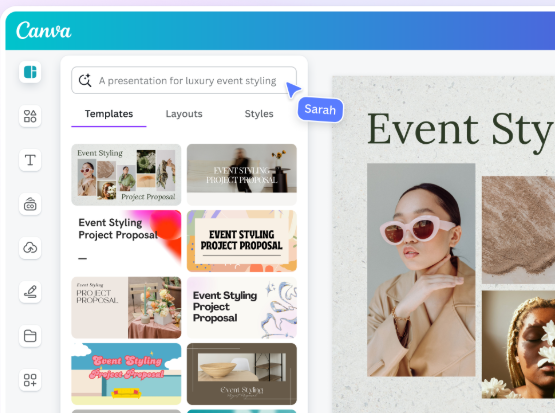
Canva’s AI-powered features make professional design accessible to everyone. Magic Design generates entire template sets from simple prompts.
Key Features:
- Drag-and-drop interface with AI suggestions
- Magic Resize for multi-platform templates
- AI background remover and image enhancer
- Thousands of customizable templates
Example Digital Product: Package 50 Instagram post templates as a bundle and sell on Etsy or Creative Market. Templates for coaches, real estate agents, and small businesses sell particularly well.
Pricing: Free tier available; Pro at $14.99/month
Pros: User-friendly, massive template library, AI features keep improving Cons: Premium elements require subscription, competitive marketplace
👉 Canva AI simplifies graphic design for beginners and remains the go-to platform for template creators.
7.3 Midjourney / DALL-E (AI Image Generators)
Best for: Digital art, wall prints, book covers, stock photos, NFTs

Text-to-image AI has exploded in quality. These tools create stunning visuals from simple descriptions, perfect for visual digital products.
Key Features:
- Generate unique artwork from text prompts
- Multiple style options (realistic, artistic, abstract)
- High-resolution outputs suitable for printing
- Rapid iteration and variations
Example Digital Product: Create premium digital art collections for Etsy. Abstract wall art, motivational posters, and custom illustrations sell consistently.
Pricing: Midjourney starts at $10/month; DALL-E uses credit system
Pros: Creates truly unique images, commercial usage allowed, trending market Cons: Learning curve for prompting, some marketplaces restrict AI art
👉 Tools like Midjourney lead the AI image creation revolution, opening new opportunities for digital artists.
7.4 Jasper AI / Copy.ai (Marketing Content Generators)
Best for: Ad copy bundles, email sequences, product descriptions, social media content
Specialized for marketing and sales copy, these tools excel at persuasive writing that converts.
Key Features:
- Pre-built templates for ads, emails, and landing pages
- Brand voice customization
- SEO optimization built-in
- Multi-language support
Example Digital Product: Sell ready-made email marketing templates or ad copy swipe files. Package 30 proven email sequences for specific niches (fitness, coaching, e-commerce).
Pricing: Jasper from $49/month; Copy.ai offers free tier with paid plans from $36/month
Pros: Conversion-focused, saves massive time, industry-specific templates Cons: Higher price point, best for marketing-heavy products
7.5 Notion AI
Best for: Productivity templates, planners, organizational systems, databases
Notion’s AI features enhance an already powerful platform, making it ideal for creating sophisticated planning and organization products.
Key Features:
- AI-assisted template creation
- Database automation
- Smart content generation within templates
- Customizable dashboards
Example Digital Product: Design and sell Notion life planners, business dashboards, or content calendars. Notion templates are hugely popular on Gumroad and Etsy.
Pricing: Free version available; Plus at $10/month includes AI features
Pros: Growing marketplace, recurring customer base, high perceived value Cons: Requires Notion knowledge, customers need Notion accounts
7.6 Synthesia (AI Video Generator)
Best for: Online courses, tutorial videos, explainer content, training materials
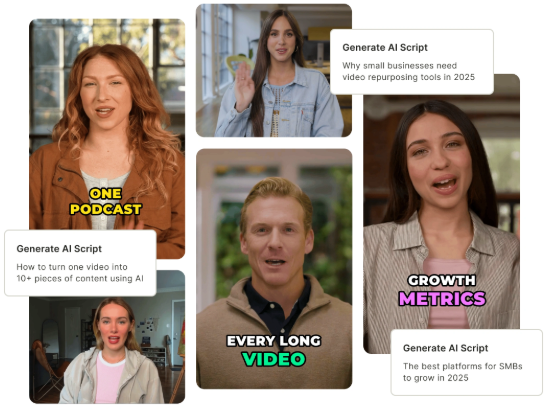
Create professional videos without cameras or actors. AI avatars deliver your script in realistic voices and multiple languages.
Key Features:
- 150+ AI avatars
- 120+ languages and accents
- Screen recording integration
- Brand customization options
Example Digital Product: Produce complete Udemy-style courses or sell training video packages. Educational content in video format commands premium prices.
Pricing: Starts at $29/month for personal use; higher tiers for commercial
Pros: No filming equipment needed, multilingual capabilities, professional output Cons: Price point, avatar movements can look artificial, limited customization
7.7 Durable / 10Web (AI Website Builders)
Best for: Ready-made websites, landing page templates, portfolio sites
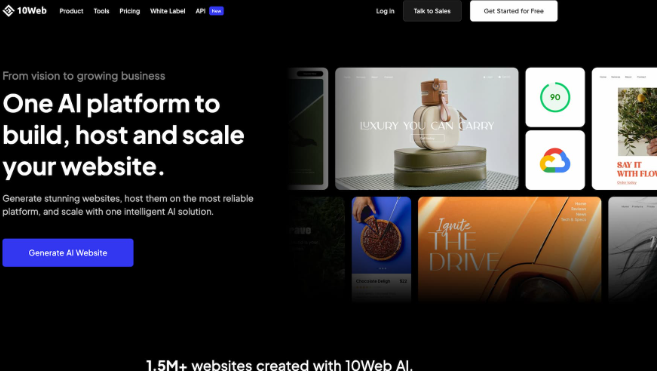
Build complete, functional websites in minutes using AI-powered builders that handle design, copy, and structure.
Key Features:
- Instant website generation from prompts
- Mobile-responsive designs
- SEO optimization included
- Hosting and deployment built-in
Example Digital Product: Create niche-specific website templates (restaurants, gyms, consultants) and sell access or white-label them for clients.
Pricing: Durable from $12/month; 10Web from $10/month
Pros: Fast deployment, beginner-friendly, growing demand Cons: Websites may look similar, customization limitations
👉 AI-built websites are in high demand as small businesses seek affordable, quick solutions.
7.8 Figma AI (Design & Prototyping)
Best for: UI/UX kits, app templates, design systems, wireframes
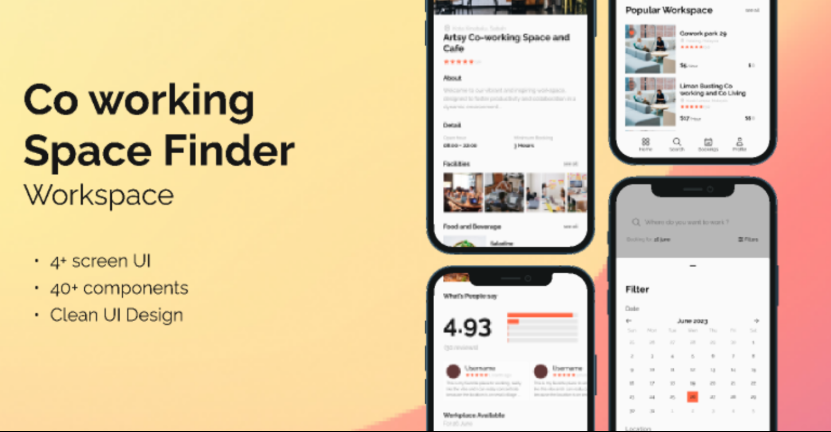
Figma’s AI features accelerate interface design, making it perfect for selling design assets to developers and startups.
Key Features:
- AI-powered design suggestions
- Component generation
- Auto-layout intelligence
- Collaborative design tools
Example Digital Product: Package mobile app UI kits or dashboard templates. Developers pay premium prices for time-saving design systems.
Pricing: Free tier available; Professional at $12/editor/month
Pros: Industry-standard tool, high-value products, professional market Cons: Steeper learning curve, requires design understanding
👉 AI speeds up prototyping and design workflows, creating opportunities for selling premium design assets.
7.9 Make / Zapier AI (Automation Tools)
Best for: Workflow automation templates, business process blueprints, integration solutions
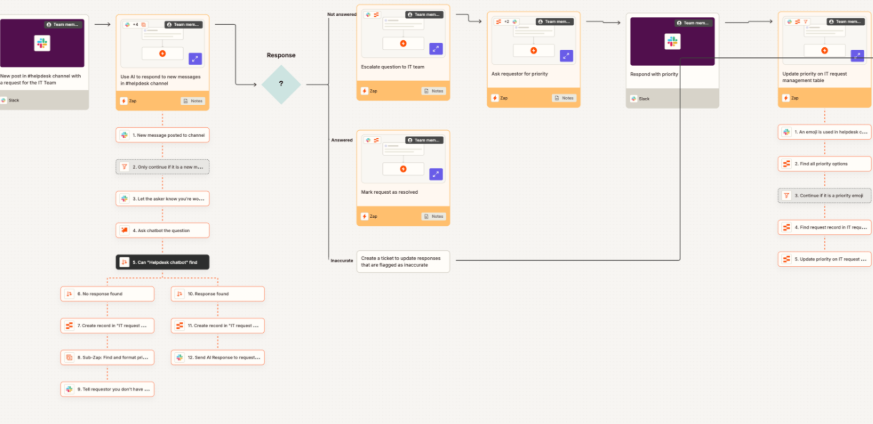
These platforms use AI to create intelligent automation workflows that businesses desperately need.
Key Features:
- Visual workflow builder
- AI-suggested automation
- Thousands of app integrations
- Template sharing and selling
Example Digital Product: Create and sell pre-built automation workflows for common business needs: lead nurturing, social media posting, customer onboarding.
Pricing: Make has free tier; Zapier from $19.99/month
Pros: High business value, recurring problem solver, technical appearance Cons: Requires understanding of automation logic, customer support needs
👉 AI automation tools combine workflows with intelligence, creating valuable business solutions.
7.10 Designs.ai / Looka (AI Branding Tools)
Best for: Logo packages, brand identity kits, color palette guides, style guides
Complete branding in minutes. These tools generate professional logos and full brand identities using AI.
Key Features:
- AI logo generation from keywords
- Complete brand kit creation
- Multiple design variations
- Export in various formats
Example Digital Product: Sell industry-specific brand identity packages—logos, color schemes, fonts, and usage guidelines for specific niches (coffee shops, yoga studios, tech startups).
Pricing: Designs.ai from $29/month; Looka one-time purchases from $20
Pros: Quick branding solutions, visual appeal, broad market Cons: Competitive space, designs may lack uniqueness at scale
Best Digital Products You Can Create with AI
Top Money-Making Ideas
The AI tools above unlock countless product possibilities. Here are the most profitable categories in 2026:
eBooks and Guides Write niche how-to guides, industry reports, or specialized knowledge books. Amazon Kindle creators earn $500-$5,000 monthly from single titles.
AI Prompt Collections Curate and sell tested prompts for ChatGPT, Midjourney, or other AI tools. Prompt marketplaces are booming with products selling for $5-$50.
Design Template Bundles Canva templates, social media kits, and presentation decks. Top sellers on Etsy make $10,000+ monthly from template bundles.
Online Video Courses Educational content commands premium prices. Platforms like Udemy and Teachable report average course prices of $50-$200.
Notion Templates and Planners Productivity tools remain consistently popular. Successful Notion creators report $2,000-$8,000 monthly passive income.
Website and App Templates Pre-designed websites or app interfaces save developers weeks of work, justifying $50-$500 price points.
👉 Real earning potential exists across all categories. Etsy sellers report average monthly earnings of $500-$2,000, while top performers exceed $10,000.
Step-by-Step Guide: Create Your First Digital Product Using AI
Step 1: Choose Your Niche
Research what’s selling. Check Etsy bestsellers, Gumroad trending products, and Amazon Kindle categories. Look for gaps where you can add unique value.
Step 2: Select Your AI Tool
Match the tool to your product type. eBook? Use ChatGPT. Templates? Choose Canva. Video course? Try Synthesia.
Step 3: Create Your Product
Use AI to generate your core content. Spend 2-4 hours creating and refining. Quality matters more than quantity.
Step 4: Design and Package
Make it visually appealing. Add covers, organize files professionally, and create attractive preview images.
Step 5: Upload to Marketplace
Choose your platform: Etsy for templates, Gumroad for digital downloads, Udemy for courses, Amazon for eBooks.
Step 6: Market Strategically
Use Pinterest for visual products, SEO-optimized descriptions, and email marketing to build recurring customers.
👉 Start simple. One quality product beats ten mediocre ones. Master the process before scaling.
Monetization Platforms for Digital Products
Etsy Perfect for templates, printables, and design assets. Built-in audience but competitive. List fees are minimal.
Gumroad Creator-friendly platform with simple setup. Keep 90% of sales after fees. Great for courses, guides, and tools.
Shopify Full control over branding and pricing. Requires more setup but offers complete ownership of customer relationships.
Amazon Kindle Direct Publishing Massive built-in audience for eBooks. Royalties up to 70% with KDP Select enrollment.
Teachable / Udemy Specialized for courses. Udemy provides marketplace traffic; Teachable offers more control and higher profit margins.
The passive income model works: create once, automate sales, and earn while focusing on your next product.
SEO Tips to Sell Digital Products
Master Keyword Research Use tools like Ubersuggest or Google Keyword Planner. Target long-tail keywords with commercial intent.
Optimize Titles and Descriptions Front-load keywords naturally. Write compelling copy that converts browsers to buyers.
Leverage Pinterest SEO Pinterest drives massive traffic to digital products. Create pins with keyword-rich descriptions and attractive designs.
Build an Email List Offer a free resource in exchange for emails. Nurture subscribers with value before pitching products.
Use Social Proof Collect and display reviews. Testimonials dramatically increase conversion rates.
Common Mistakes to Avoid
Overcomplicating Tools Start with one or two AI tools. Master them before expanding your toolkit.
Ignoring Market Research Create what sells, not just what interests you. Validate demand before investing time.
Publishing Low-Quality Products AI-generated content needs human refinement. Edit, polish, and add your unique perspective.
Neglecting Marketing Great products don’t sell themselves. Allocate 50% of your time to promotion and SEO.
Future of AI Digital Products (2026 and Beyond)
AI platforms are consolidating into all-in-one solutions. Expect tools that handle creation, optimization, and marketing from single dashboards.
Creation workflows will get faster. What takes hours now will take minutes. Voice commands and natural language prompts will replace complex interfaces.
Competition will intensify, making uniqueness essential. Success will come from adding personal expertise and branded experiences to AI-generated foundations.
The opportunity window is now. Early adopters who build authority and audiences today will dominate tomorrow’s crowded marketplace.
Conclusion
AI tools to create digital products have demolished traditional barriers to passive income. You no longer need expensive software, years of training, or significant capital to build profitable digital assets.
The 10 tools covered in this guide—from ChatGPT’s writing prowess to Canva’s design simplicity and Synthesia’s video generation—provide everything needed to create, package, and sell digital products in 2026.
Start with one tool and one product type. Refine your process, gather feedback, and reinvest profits into growth. The passive income potential is real, proven by thousands of creators earning substantial monthly revenue.
The digital product revolution powered by AI isn’t coming—it’s here.
Start creating your first digital product today. The only question is: which AI tool will you master first?
Ready to dive deeper? Explore each tool with their free trials and discover which one matches your creative vision and income goals.
