
The digital product economy is growing faster than ever, and 2026 marks a pivotal moment for creators and entrepreneurs. Whether you’re thinking about launching your first online business or expanding an existing one, AI tools for selling digital products have completely transformed how beginners can compete in this space.
Just five years ago, creating and selling digital products required technical skills, design experience, or significant capital investment. Today? Anyone with an internet connection and curiosity can build a profitable digital business using AI.
This comprehensive guide walks you through the best AI tools available right now, how they work, and exactly how to use them to create sellable products. By the end, you’ll have a clear roadmap to launch your digital product business—no experience required.
Why Digital Products Are Booming in 2026
Digital products have become the ultimate passive income vehicle. They’re created once, sold infinitely, with zero production costs, no shipping, and no inventory headaches.
Common digital products include:
- eBooks and guides on niche topics
- Templates (Notion, Canva, spreadsheets)
- Prompt packs for ChatGPT and AI tools
- Courses and video content
- Digital art, wallpapers, and printables
- Planner bundles and organizational systems
The best part? AI has eliminated most barriers to entry.
How AI Tools Help Beginners Create and Sell Products Faster
AI isn’t replacing creators—it’s amplifying them. These tools handle the repetitive, time-consuming tasks so you can focus on strategy and selling.
Instead of spending weeks writing an eBook, you can use ChatGPT to outline and draft content in hours. Instead of hiring a designer, Canva AI generates templates instantly. Instead of manually promoting products, AI marketing tools automate your outreach.
For beginners, this means faster time-to-market, lower costs, and a real competitive edge.
What Are AI Tools for Selling Digital Products?
Definition and How They Work
AI tools for selling digital products are software platforms that use artificial intelligence to help creators design, create, market, and sell digital offerings. They automate or enhance critical business functions without requiring advanced technical skills.
These tools use machine learning algorithms to:
- Generate written content based on prompts
- Create designs from simple descriptions
- Write persuasive marketing copy
- Automate customer communications
- Analyze market trends and demand
Why Creators Use AI to Build Digital Products
The shift toward AI-powered creation is driven by practical advantages:
Speed: Create multiple products in the time it once took to create one.
Cost-Effectiveness: Replace expensive software subscriptions and freelancers with affordable AI tools.
Accessibility: No design degree, copywriting experience, or coding knowledge needed.
Scalability: Automation means you can sell to hundreds of customers with minimal additional effort.
Experimentation: Low risk allows you to test different product ideas quickly.
Types of AI Tools Used in Digital Product Businesses
Different tools serve different purposes in your business:
AI Writing Tools – Generate content, outlines, product descriptions, and sales pages.
AI Design Tools – Create templates, graphics, mockups, and digital products without design skills.
AI Marketing Tools – Write ad copy, email sequences, and social media content automatically.
AI Automation Tools – Handle customer service, email follow-ups, and sales processes without manual work.
Key Benefits of Using AI Tools to Sell Digital Products
Faster Product Creation
What once took weeks now takes days. You can move from idea to launch in rapid cycles, testing multiple products to see what resonates with your audience.
Low Startup Cost
Most AI tools cost between $10-50 per month. Compare this to hiring designers ($500+), copywriters ($1000+), or developers ($5000+). The ROI is immediate.
Automation of Marketing and Sales
AI handles repetitive tasks like email marketing, customer follow-ups, and content scheduling. You work smarter, not harder.
Scalability for Passive Income
Create once, sell forever. A Notion template you build today can generate income for years with zero additional effort beyond initial promotion.
Beginner-Friendly Workflows
No learning curve means you can start immediately. Most tools have free plans so you can experiment risk-free before investing.
How We Selected the Best AI Tools (2026 Criteria)
Our evaluation framework considered:
✓ Ease of use – Can a complete beginner navigate it?
✓ Pricing – Are free plans available? Is premium pricing reasonable?
✓ Product viability – Can you create actual sellable products?
✓ Marketing features – Does it help you promote and sell?
✓ Integration – Works smoothly with selling platforms like Etsy, Gumroad, and Shopify?
✓ Real-world results – Do actual creators use it successfully?
10 Best Free AI Interior Design Tools for Beginners in 2026 (Tested & Reviewed)
18 Best Free AI Writing Tools in 2026 (Honest Reviews & Tested Results)
Quick Comparison Table
| AI Tool | Best For | Free Plan | Beginner Friendly |
|---|---|---|---|
| ChatGPT | Content creation, ebooks | Yes (limited) | ⭐⭐⭐⭐⭐ |
| Canva AI | Design templates, graphics | Yes | ⭐⭐⭐⭐⭐ |
| Notion AI | Productivity templates | Yes | ⭐⭐⭐⭐ |
| Jasper AI | Sales copy, marketing | Limited trial | ⭐⭐⭐⭐ |
| Midjourney | AI art, printables | No | ⭐⭐⭐ |
| Synthesia | Video courses | Limited trial | ⭐⭐⭐⭐ |
| Durable AI | Landing pages, websites | Yes | ⭐⭐⭐⭐⭐ |
| Copy.ai | Marketing automation | Yes | ⭐⭐⭐⭐ |
| Pictory AI | Video creation | Limited trial | ⭐⭐⭐⭐ |
| Gumroad | Digital product selling | Yes | ⭐⭐⭐⭐⭐ |
10 Best AI Tools for Selling Digital Products in 2026
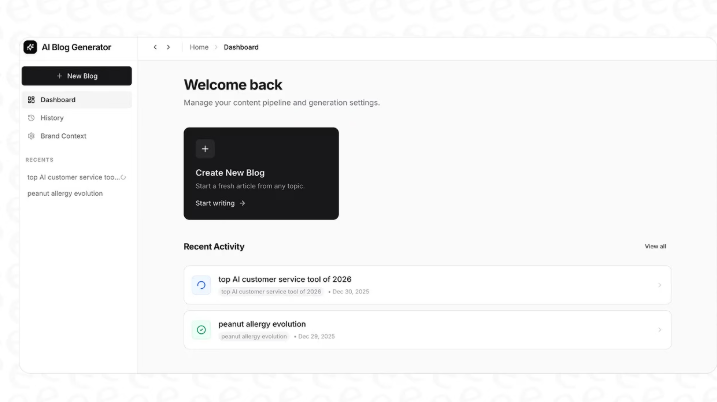
1. ChatGPT – Best AI Tool for Creating Digital Content
What it is: OpenAI’s conversational AI that generates text on any topic.
Best digital products to create:
- eBooks and guides
- Prompt pack collections
- Content upgrade packages
- Email course sequences
- Blog-to-product repurposing
Why it’s perfect for beginners: Ask ChatGPT to outline an entire eBook, draft sections, refine tone, and create product descriptions—all in one conversation.
Pros:
- Incredibly user-friendly
- Creates multiple drafts quickly
- Works for any niche
- Free tier available
- Excellent for brainstorming and outlining
Cons:
- Requires editing and customization for quality
- Can be repetitive if you’re not specific with prompts
- Output needs fact-checking in some niches
Pricing: Free (limited), ChatGPT Plus $20/month
2. Canva AI – Best for Digital Design Products
What it is: Design platform with AI-powered features for creating templates and graphics.
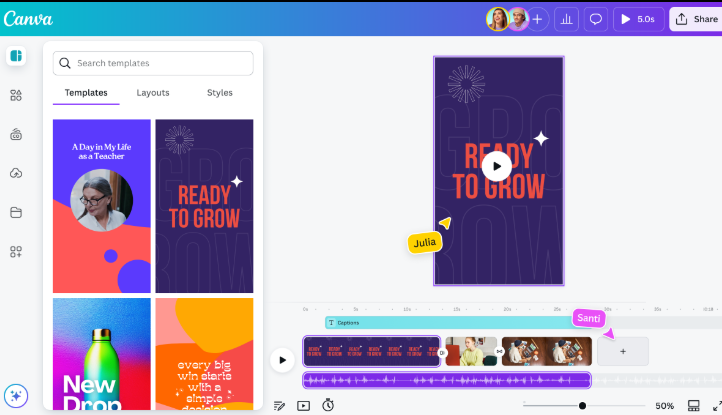
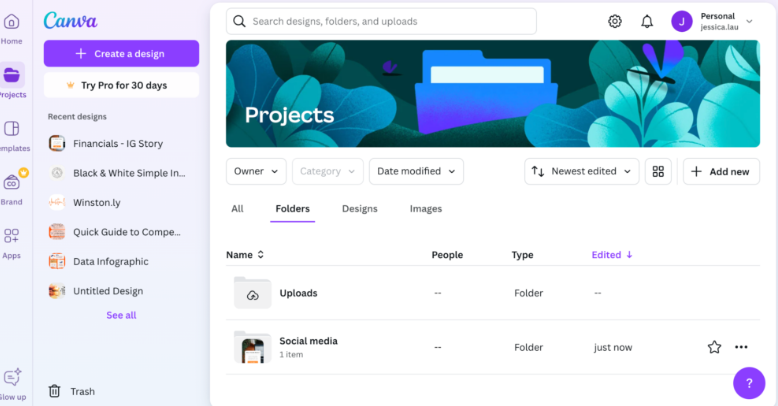
Best for: Etsy sellers, template creators, social media kit bundles.
Why it works: Browse thousands of templates, customize with AI enhancement, and export directly for sale.
Pros:
- Drag-and-drop simplicity
- Massive template library
- AI background removal and resizing
- Direct marketplace integration
- Professional-quality results instantly
Cons:
- Designs can look generic if not customized
- Subscription required for premium features
- Limited by template availability
Pricing: Free (limited features), Canva Pro $180/year
3. Notion AI – Best for Productivity Templates
What it is: AI-powered database tool for creating organizational systems and templates.
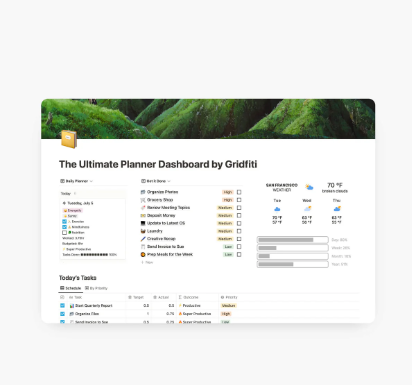
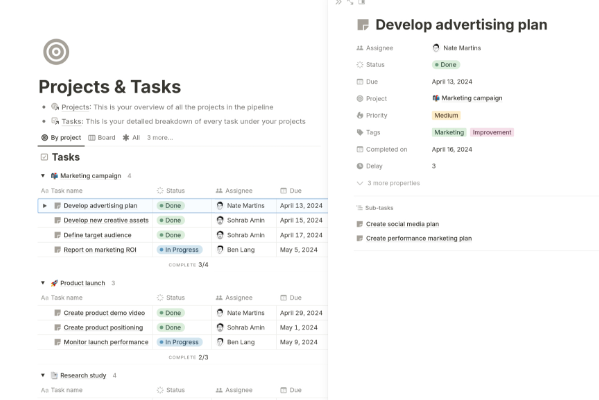
Best for: Selling Notion templates, systems, and productivity bundles.
Real example: Creators sell “Complete Business Operating System” templates for $29-97 using Notion AI.
Pros:
- Huge market demand for Notion templates
- High profit margins (50-90%)
- Easy to customize and resell
- Integrates directly with Gumroad and similar platforms
Cons:
- Requires basic Notion knowledge
- Market saturation in some template categories
- Support community better than official documentation
Pricing: Free (limited), Notion Plus $100/year
4. Jasper AI – Best for Marketing Copy
What it is: AI copywriting tool designed specifically for marketing professionals.
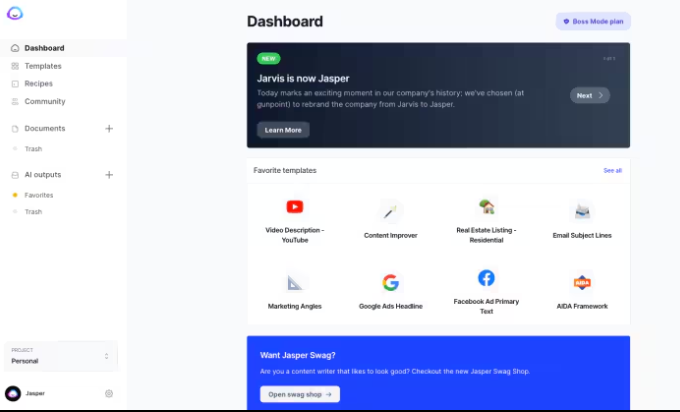
Best for: Creating persuasive product descriptions, sales pages, and ad copy.
Why beginners love it: Pre-built templates guide you through writing high-converting copy without experience.
Pros:
- Specialized for sales and marketing
- Proven templates that convert
- Bulk content generation
- Email and social media copy included
- Brand voice customization
Cons:
- Steeper learning curve than ChatGPT
- Requires subscription for full features
- Can be pricey for solopreneurs
Pricing: Starts at $39/month
5. Midjourney / AI Image Generators – Best for Digital Art
What it is: Generative AI that creates images from text descriptions.
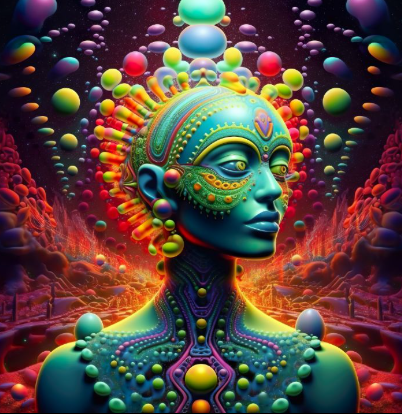

Best for: Creating AI art, digital wallpapers, printables, and custom illustrations.
Quick numbers: Creators sell AI art bundles for $5-30+ on Etsy and Gumroad.
Pros:
- Creates completely unique, sellable artwork
- Fast iteration and customization
- Works for any art style imaginable
- Highly profitable niche
Cons:
- No free plan (subscription required)
- Learning the right prompts takes practice
- Legal questions still evolving around AI art sales
Pricing: Starting at $10/month
6. Synthesia – Best for Video Courses
What it is: AI video generation platform that creates professional videos without recording.
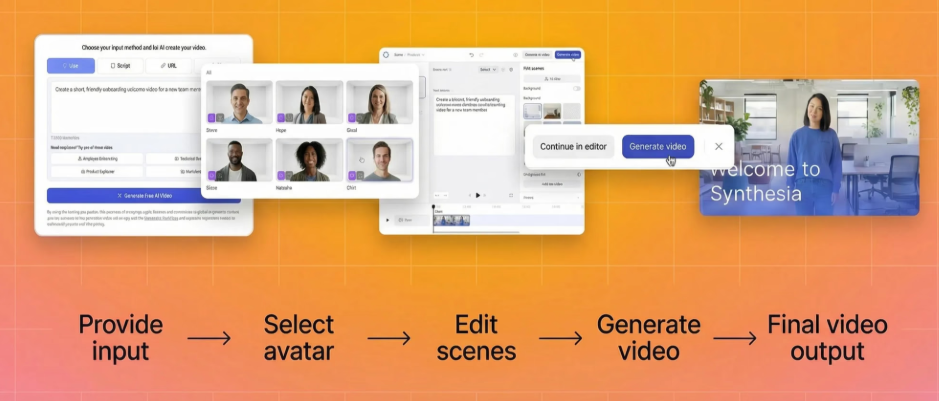
Best for: Online courses, tutorial videos, explainer content.
Game-changer for beginners: Create a full video course without cameras, microphones, or video editing skills.
Pros:
- Studio-quality videos instantly
- Multiple AI avatars and voices
- Multilingual capabilities
- Professional without technical skills
Cons:
- Not the cheapest option
- Video quality varies by plan
- Limited customization on lower tiers
Pricing: Starts at $30/month
7. Durable AI – Best for AI Website Creation
What it is: AI website builder that generates landing pages and online stores instantly.
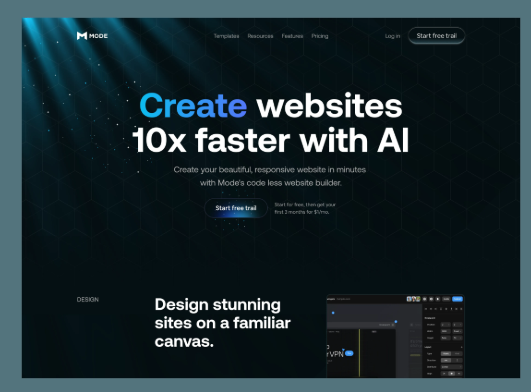
Best for: Creating digital product storefronts and landing pages.
Why it’s beginner-friendly: Describe your business in a few sentences; Durable creates your entire website.
Pros:
- Generates complete websites in minutes
- SEO optimization included
- Built-in contact and payment forms
- Mobile-responsive
- No design or coding needed
Cons:
- Less control over design details
- Limited customization options
- Better for simple stores
Pricing: Free tier available, paid from $12/month
8. Copy.ai – Best for Sales and Marketing Automation
What it is: AI tool for generating marketing content at scale.
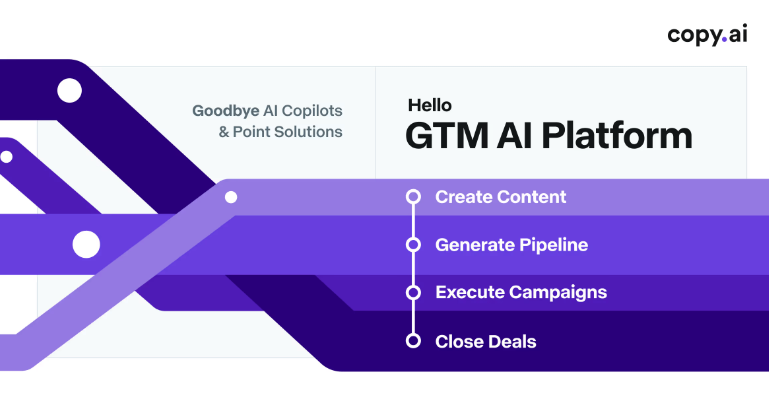
Best for: Email campaigns, ad copy, social media content, product promotions.
Realistic use case: Write monthly email sequences to promote your digital products automatically.
Pros:
- Free plan is generous
- Variety of content templates
- Quick generation of multiple variations
- Great for A/B testing copy
Cons:
- Quality requires editing
- Can feel repetitive without refinement
- Limited compared to specialized tools
Pricing: Free tier available, premium from $49/month
9. Pictory AI – Best for Video Digital Products
What it is: Converts blog posts and scripts into short, shareable videos automatically.
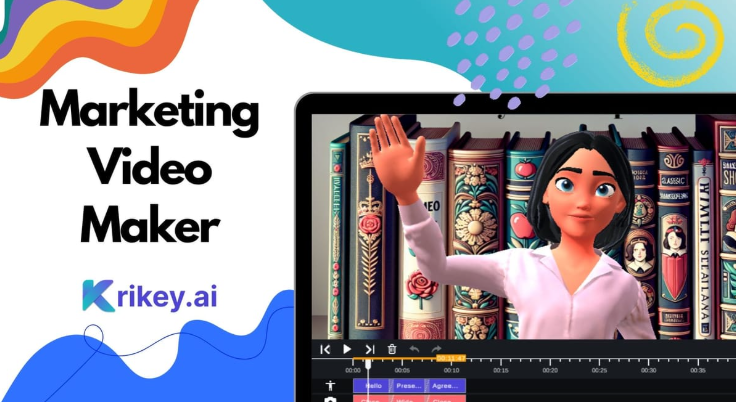
Best for: Creating video content, YouTube shorts, promotional clips.
Unique angle: Turn existing blog content into video products without re-recording.
Pros:
- Fast video creation from text
- Great for repurposing content
- Built-in subtitles and branding
- Perfect for marketing campaigns
Cons:
- Limited customization
- Works best with existing scripts
- Not ideal for complex videos
Pricing: Limited free tier, paid plans from $19/month
10. Gumroad – Best for Selling Digital Products
What it is: All-in-one platform for selling digital products, memberships, and subscriptions.
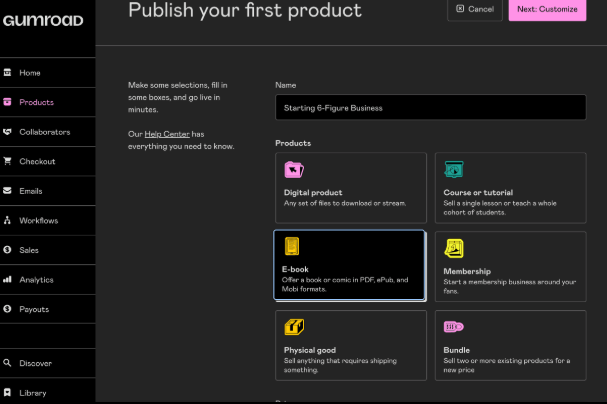
Best for: Distribution hub for all your digital products.
Why it’s essential: The smoothest experience for beginners who want to focus on product creation, not platform management.
Pros:
- Incredibly beginner-friendly
- Low transaction fees (10%)
- Built-in email marketing
- Membership and subscription options
- Automatic delivery of purchases
- Beautiful product pages
Cons:
- Takes percentage of sales
- Less customization than Shopify
- Smaller audience than Amazon or traditional stores
Pricing: Free to use, you keep 90% of sales
Best Digital Products You Can Create With AI
Trending Products in 2026
Prompt Packs: Collections of ChatGPT prompts for specific tasks ($7-27)
Canva Template Bundles: Social media kits, planners, presentations ($15-49)
Notion Templates: Business systems, project managers, habit trackers ($17-67)
eBooks and Guides: Niche-specific educational content ($17-97)
Online Courses: Video training with Synthesia or Pictory ($47-297)
Digital Planners: PDF or digital formats ($9-29)
AI Art Bundles: Wallpapers, illustrations, graphics ($5-49)
The most successful creators don’t just sell one product—they bundle related items and cross-sell to existing customers.
Step-by-Step: How Beginners Can Sell Digital Products With AI
Step 1: Choose a Profitable Niche
Pick something you understand or care about. Research demand using tools like Google Trends and keyword research. Look for niches with actual buyers (check Etsy best-sellers and Gumroad top creators).
Step 2: Create the Digital Product With AI
Use ChatGPT, Canva, or Notion AI to build your core product. Refine it 2-3 times until you’re proud of it.
Step 3: Design Product Graphics
Use Canva AI to create eye-catching thumbnails and preview images. These significantly impact conversion rates.
Step 4: List the Product on a Marketplace
Upload to Gumroad, Etsy, Shopify, or your own website. Write compelling descriptions using Jasper AI.
Step 5: Use AI for Marketing and Promotion
Automate social media posts, email sequences, and ad copy with Copy.ai and other marketing AI tools. Consistency beats perfection.
Where to Sell Digital Products in 2026
Gumroad – Easiest for beginners, great community
Etsy – Massive existing audience, competitive
Shopify – Full control, more setup required
Lemon Squeezy – Creator-friendly, excellent support
Payhip – Good for courses and memberships
Your Own Website – Maximum control, requires more work
Most successful creators start on one platform, then expand once they understand their customers.
Tips to Successfully Sell Digital Products Using AI
1. Focus on Solving Real Problems
The best digital products answer specific questions or solve genuine pain points. Interview your target audience before creating.
2. Bundle Multiple Products
Sell three related templates as a bundle for higher perceived value ($20 vs. $8 each).
3. Use SEO for Organic Traffic
Optimize product titles and descriptions with relevant keywords. This drives free, ongoing sales.
4. Build an Email List
Offer a free digital product (lead magnet) to capture emails. Your list is your most valuable asset.
5. Use AI Tools for Automation
Let automation handle repetitive tasks. Focus your energy on creating new products and growing your business.
Common Mistakes Beginners Should Avoid
❌ Selling Low-Quality AI-Generated Content – Always edit, fact-check, and add personal value. Raw AI output rarely sells.
❌ Ignoring Market Demand – Just because you can create it doesn’t mean people will buy it. Validate ideas first.
❌ Not Optimizing Product Listings – Boring titles and descriptions = no sales. Invest in compelling copy.
❌ Overusing Automation – Some human touch is necessary for customer relationships and loyalty.
❌ Setting Prices Too Low – Underpricing signals low quality. Research competitors and price strategically.
❌ Neglecting Customer Service – Respond to questions and refund requests professionally. Reputation matters.
The Future of AI Digital Product Businesses
The landscape continues evolving. Watch for:
- AI-Powered Marketplaces – Platforms that match creators with ideal customers using AI algorithms
- Automated Digital Stores – Entirely AI-managed businesses that require minimal human intervention
- AI Agents – Autonomous systems that market, sell, and service products independently
- Personalized Products – AI creates customized templates and content for each buyer
The creators who win aren’t the ones with the most advanced AI skills—they’re the ones who understand their audience best and use AI as a leverage tool.
Conclusion
The barrier to launching a digital product business has never been lower. In 2026, AI tools for selling digital products have democratized creation itself. You don’t need to be a designer, copywriter, or developer. You just need an idea and the willingness to learn.
The 10 tools covered in this guide (ChatGPT, Canva AI, Notion AI, Jasper, Midjourney, Synthesia, Durable, Copy.ai, Pictory, and Gumroad) provide everything you need to ideate, create, design, market, and sell digital products.
Start small. Pick one product idea, build it with AI, and launch it this month. Track what sells. Listen to customer feedback. Iterate. Before you know it, you’ll have a portfolio of profitable digital products generating passive income.
The best time to start was yesterday. The second-best time is today.
Your digital product business is waiting.
Frequently Asked Questions
Q: Can beginners really sell digital products using AI in 2026?
A: Absolutely. Thousands of beginners are currently building six-figure businesses using these exact tools. The barrier to entry is lower than ever.
Q: What’s the easiest digital product to start with?
A: Prompt packs for ChatGPT and Canva templates are the easiest to create and quickest to market. They require minimal technical knowledge and have strong demand.
Q: Do I need any special skills or experience?
A: No. Most AI tools are designed for non-technical users. All you need is creativity, curiosity, and basic internet skills.
Q: How much money can I make selling digital products?
A: It varies widely. Some creators earn $500/month with one product; others earn $10,000+ with multiple products and audiences. Income depends on your niche, marketing effort, and product quality.
Q: Is it legal to sell AI-generated content?
A: Yes, with important caveats. You own what you create with AI tools. However, disclose AI usage, don’t misrepresent AI content as human-created, and verify terms of service for each platform.
Q: How long until I make my first sale?
A: Many creators make their first sale within 2-4 weeks of launching. Success depends on product quality, market demand, and how actively you promote.
Q: Which platform should I use to sell?
A: Start with Gumroad for simplicity or Etsy for reach. Once you understand your customers, expand to additional platforms.
Q: Can I sell on multiple platforms simultaneously?
A: Yes. Most successful creators distribute the same products across Etsy, Gumroad, and their own website for maximum exposure.
