
Introduction
The creator economy is experiencing a massive transformation. In 2026, creators are no longer just making content—they’re building scalable digital product businesses powered by artificial intelligence.
AI digital products have become the secret weapon for online entrepreneurs who want to generate passive income without dealing with inventory, shipping costs, or manufacturing headaches. These are downloadable assets created using AI tools that solve real problems for buyers around the world.
The explosion of accessible AI tools has democratized digital product creation. Tools like ChatGPT, Midjourney, Claude, and Canva AI have made it possible for anyone to create professional-quality digital assets in hours instead of weeks. You don’t need to be a designer, writer, or developer anymore—AI handles the heavy lifting.
This shift has opened incredible opportunities for creators, freelancers, and entrepreneurs looking to build location-independent income streams. The benefits are compelling:
Passive income potential: Create once, sell unlimited times with no additional production costs.
Scalable online business: No ceiling on how many units you can sell or how much you can earn.
Global audience reach: Digital products can be sold worldwide instantly through online marketplaces.
Low startup costs: Most AI tools cost $20-50 per month, making this one of the most accessible business models.
But here’s the challenge: with so many opportunities, where should you start? Which AI digital products are actually selling right now?
In this comprehensive review, we’ll explore the 8 most in-demand AI digital products that creators are successfully selling in 2026. You’ll discover what makes each product profitable, realistic price ranges, and where to sell them. Whether you’re just starting or looking to expand your digital product portfolio, this guide will show you exactly what’s working in today’s market.
What Are AI Digital Products?
AI digital products are downloadable or cloud-based digital assets created using artificial intelligence tools that can be sold online repeatedly without additional production costs.
Think of them as digital goods that AI helps you create faster and better than traditional methods. Instead of spending weeks designing a template or writing an ebook, you can leverage AI to accelerate the creation process while maintaining professional quality.
These products fall into several categories:
AI-generated content: Prompt packs, writing templates, ebooks, and courses created with tools like ChatGPT or Claude.
AI-designed assets: Digital art, graphics, printables, and design templates made with Midjourney, DALL-E, or Canva AI.
AI-powered tools: Automation templates, productivity systems, and mini SaaS products built using AI APIs and no-code platforms.
AI frameworks: Business templates, Notion dashboards, and workflow systems that incorporate AI automation.
The key difference between traditional digital products and AI digital products is speed and scalability. What used to take a designer 40 hours can now be created in 4 hours with the right AI tools and prompts.
Businesses are increasingly investing in AI tools and ready-made content that saves them time and automates repetitive tasks. This creates massive demand for AI digital products that help people work smarter, create faster, and automate more of their business processes.
For creators, this means you can build a profitable online business by identifying problems people face, using AI to solve those problems efficiently, and packaging the solutions as digital products.
Why AI Digital Products Are Exploding in 2026
The market for AI digital products isn’t just growing—it’s exploding. Several converging trends have created perfect conditions for creators to build profitable digital product businesses.
The creator economy has matured significantly. Platforms like Gumroad, Etsy, and Shopify have made it easier than ever to sell digital products directly to customers. Meanwhile, AI tools have become powerful enough to produce professional-quality outputs that buyers actually want to purchase.
Demand for productivity tools has skyrocketed. Businesses and solopreneurs are constantly looking for systems, templates, and tools that help them save time. AI digital products deliver exactly that—pre-built solutions they can implement immediately.
The passive income appeal is stronger than ever. People are tired of trading time for money. Digital products offer the promise of creating something once and earning from it repeatedly, sometimes for years.
Here’s why creators are rushing to launch AI digital products:
No inventory costs: Digital products exist as files. No warehouse, no storage fees, no physical goods to manage.
Fast production with AI: What used to take weeks now takes hours or days with AI assistance.
High profit margins: After your time investment, there are virtually no additional costs per sale. Every sale is mostly pure profit.
Scalable sales: Whether you sell 10 units or 10,000 units, your workload doesn’t increase.
Global marketplaces: Platforms like Etsy reach millions of buyers worldwide, giving you instant access to a global market.
Low barrier to entry: You don’t need technical skills, design experience, or large capital. A $20/month AI subscription can get you started.
Growing AI adoption: As more people use AI tools, they need prompts, templates, and systems to use them effectively.
The combination of accessible AI tools, established digital marketplaces, and growing demand has created a perfect storm. Creators who understand this opportunity are building six-figure businesses selling AI digital products.
8 High-Demand AI Digital Products Creators Are Selling Right Now
Let’s dive into the specific AI digital products that are generating real sales for creators right now. These aren’t theoretical ideas—these are proven product categories with active buyers and established markets.
Each product type has been reviewed based on current market demand, profit potential, creation difficulty, and real-world sales data from platforms like Etsy, Gumroad, and creator communities.
1. AI Prompt Packs (Highly Profitable)
Review Overview
AI prompt packs have become one of the hottest digital products in 2026. These are curated collections of prompts designed to help users get better results from AI tools like ChatGPT, Claude, Midjourney, and other generative AI platforms.
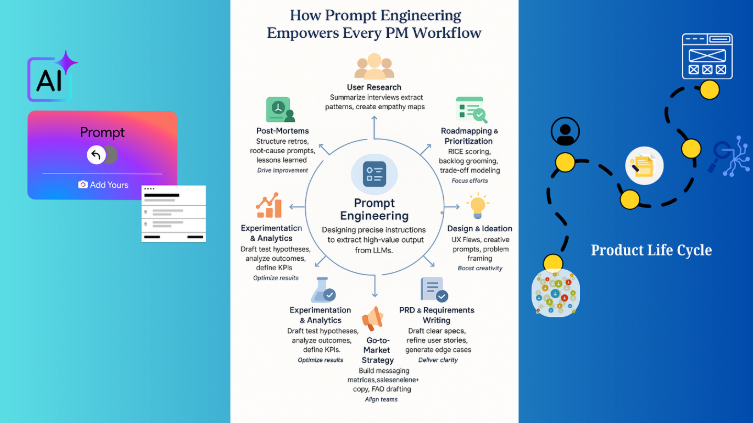
Think of prompt packs as recipe books for AI. Just as a cookbook gives you tested recipes, prompt packs provide proven prompts that deliver specific, high-quality outputs. Buyers purchase these packs because they save hours of trial-and-error experimentation.
Popular categories include:
ChatGPT prompts for business: Marketing strategy prompts, business plan generators, email templates, and sales copy frameworks.
Midjourney art prompts: Specific prompts for creating logos, product mockups, illustrations, and artistic styles.
Content creation prompts: Blog post outlines, social media content, video scripts, and SEO article templates.
Automation prompts: Workflow automation, data analysis, coding assistance, and productivity systems.
Why They Sell
The beauty of prompt packs is their extremely low creation cost combined with high perceived value. You’re essentially selling knowledge and expertise packaged as ready-to-use prompts.
Creation cost is minimal—you need an AI subscription and time to test and refine prompts. There’s no design work, no coding, and no complex production process.
Demand is incredibly high because most people struggle to get good results from AI tools. They know AI is powerful but don’t know how to communicate effectively with it. Your prompt pack solves this problem instantly.
The bundling potential is excellent. You can create themed packs like “100 ChatGPT Prompts for Real Estate Agents” or “50 Midjourney Prompts for Logo Design” that target specific niches.
Examples of Successful Prompt Packs
- ChatGPT prompts for blog writing and SEO content
- AI marketing prompt bundles for social media managers
- Midjourney art prompts for specific aesthetics (cyberpunk, minimalist, vintage)
- Business automation prompt libraries for entrepreneurs
- Academic writing prompts for students and researchers
Price Range
$9 – $79 depending on pack size and specialization. Premium niche-specific packs command higher prices.
Platforms to Sell
Gumroad dominates this category, with Etsy and dedicated prompt marketplaces like PromptBase also performing well. Some creators sell directly through their websites using Lemon Squeezy or Shopify.
2. AI-Generated Digital Art
Review Overview
AI-generated digital art has transformed the printable and digital design market. Creators use tools like Midjourney, Leonardo AI, DALL-E, and Stable Diffusion to produce stunning artwork that sells across multiple platforms.


This category includes:
Printable wall art: Digital posters, motivational quotes, abstract designs, and nature scenes that buyers download and print.
Digital wallpapers: Desktop backgrounds, phone wallpapers, and tablet screens in various themes and resolutions.
Commercial-use graphics: Illustrations, patterns, textures, and design elements for businesses and designers.
NFT artwork: Unique digital art pieces sold on NFT marketplaces (though this market has cooled compared to 2021-2023).
The key advantage is production speed. A skilled Midjourney user can generate 50-100 unique, high-quality art pieces in a single day. This volume is impossible with traditional art creation.
Why It’s Popular
Etsy has massive demand for digital art. Millions of people search for printable wall art every month, creating consistent sales opportunities for quality AI-generated designs.
Print-on-demand integration is seamless. Many sellers connect their digital art to services like Printful or Printify, allowing customers to order physical prints automatically without the seller handling inventory or shipping.
Unique artwork generation is AI’s superpower. You can create art styles, combinations, and concepts that would be extremely difficult or time-consuming for human artists to produce manually.
Market Reality Check
This market is competitive. Success requires understanding current design trends, proper SEO optimization on platforms like Etsy, and creating art that stands out from generic AI outputs. The best-selling creators develop distinctive styles and focus on underserved niches.
Price Range
$5 – $50 per piece, with bundles and commercial licenses commanding premium prices. Print-on-demand products sell for $20-80.
Best Platforms
Etsy is the primary marketplace for printable digital art. Creative Market and Design Cuts work well for commercial-use graphics targeting designers and businesses.
3. AI-Powered Notion Templates
Review Overview
Notion templates have exploded in popularity as more businesses and creators adopt Notion for project management and productivity. AI-powered Notion templates take this further by incorporating AI databases, automation, and intelligent workflows.
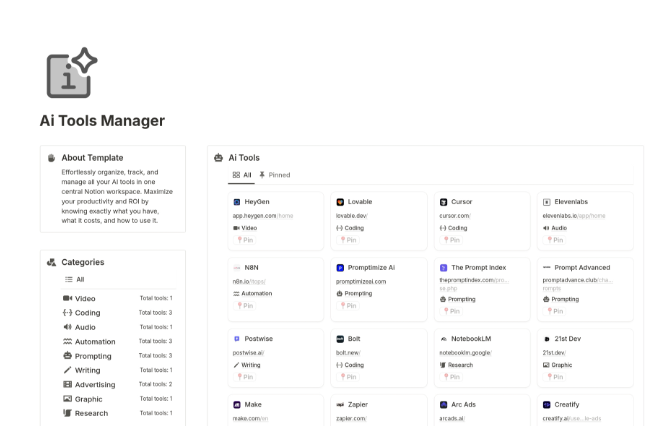
Popular template categories include:
AI content planners: Templates that help creators plan, generate, and schedule content using AI prompts and tracking systems.
Startup dashboards: All-in-one business management systems with finance tracking, project management, and growth metrics.
Freelance business trackers: Client management, invoice tracking, project timelines, and income analytics in one system.
Social media calendars: Content planning, AI caption generators, and posting schedule management.
Personal productivity systems: Habit trackers, goal-setting frameworks, and daily planning templates enhanced with AI integration.
The best Notion templates don’t just look pretty—they solve real workflow problems and save users significant time.
Why They Sell
Notion templates solve genuine productivity problems. Buyers aren’t purchasing decoration; they’re buying functional systems that improve their business or life organization.
Customization is simple. Unlike complex software, Notion templates can be easily modified by users to fit their specific needs, increasing satisfaction and reducing refund requests.
Creator demand is strong. The overlap between Notion users and creators/entrepreneurs means these templates sell consistently to an engaged, willing-to-pay audience.
Creating Winning Notion Templates
The best-selling templates combine visual appeal with practical functionality. They should include:
- Clear instructions for customization
- Pre-filled examples showing how to use the system
- AI integration points (prompt libraries, automation ideas)
- Aesthetic design that makes people want to use it daily
Price Range
$10 – $99 depending on complexity. Comprehensive business systems sell for $50-99, while simpler templates sell for $10-29.
Where to Sell
Gumroad is the most popular platform for Notion templates. Many creators also sell through Notion template marketplaces like Notionery or their own websites.
4. AI Writing Templates
Review Overview
AI writing templates are frameworks and fill-in-the-blank systems that help marketers, business owners, and content creators produce specific types of written content faster and more effectively.
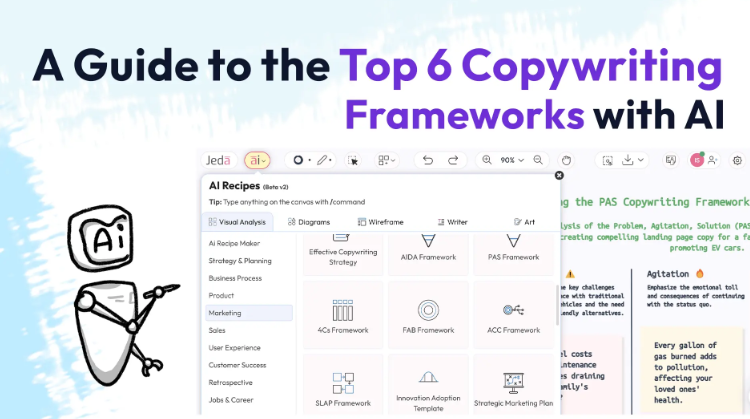
These aren’t just generic prompts—they’re structured templates for specific writing tasks:
Blog writing templates: Article outlines, SEO content frameworks, and headline generators for different blog post types.
Email marketing templates: Welcome sequences, sales emails, newsletter formats, and cold outreach frameworks.
Sales copy templates: Landing page copy, product descriptions, sales letter structures, and conversion-focused messaging.
YouTube script templates: Video intros, content structures, call-to-action scripts, and thumbnail copy templates.
SEO article templates: Keyword-optimized structures for review posts, how-to guides, listicles, and comparison articles.
The value proposition is clear: instead of starting from a blank page, buyers get proven structures they can customize with their specific information and use AI to fill in the details.
Why It’s Trending
AI content marketing demand is exploding. Businesses recognize they need more content to compete, but they lack the time or skills to produce it consistently. Templates bridge this gap.
Faster content creation is a universal desire. Marketing teams, agencies, and solopreneurs all want to produce quality content in less time. Well-designed templates deliver exactly that.
Freelancers are major buyers. Content writers, copywriters, and marketing consultants purchase these templates to streamline their client work and increase their output.
Creating Valuable Writing Templates
The best writing templates include:
- Specific use cases and examples
- AI prompts optimized for the template structure
- Before/after examples showing results
- Customization guidance for different industries
Price Range
$19 – $79 for comprehensive template bundles. Individual templates sell for $7-29.
Best Platforms
Gumroad and Etsy both perform well. Some creators build membership sites offering monthly template releases for recurring revenue.
5. AI-Generated eBooks
Review Overview
eBooks remain one of the most profitable digital products, and AI has dramatically reduced the time required to create them. Creators use AI tools to research, outline, write, and even design ebooks that provide genuine value to readers.
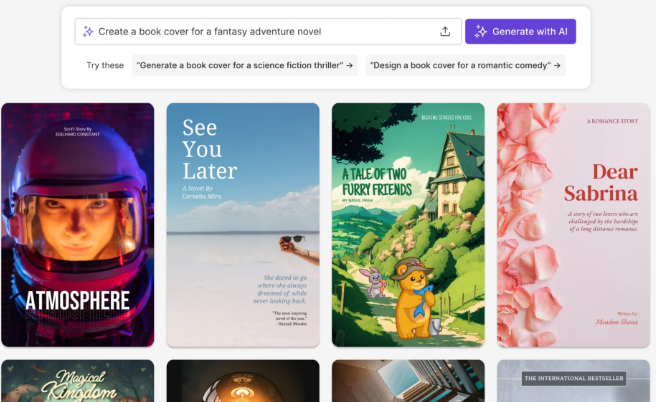
Popular niches include:
Self-improvement: Productivity systems, habit building, mindfulness, and personal development guides.
Business guides: Startup strategies, marketing playbooks, sales techniques, and entrepreneurship frameworks.
AI tutorials: How-to guides teaching specific AI tools, prompt engineering, and AI business strategies.
Online marketing: SEO guides, social media strategies, email marketing systems, and affiliate marketing blueprints.
Niche expertise: Industry-specific knowledge packaged as comprehensive guides (real estate investing, photography business, etc.).
The key is creating ebooks that actually help readers solve problems or achieve goals. AI accelerates creation, but human expertise and curation ensure quality.
Why It Works
Production costs are minimal. With AI handling writing and tools like Canva managing design, you can create a professional ebook for less than $50 in tool costs.
Evergreen demand exists for quality educational content. People constantly seek knowledge on business, self-improvement, and skill development.
Distribution is effortless. Upload to platforms like Amazon Kindle, Gumroad, or your website, and it’s available globally instantly.
Creating Successful AI eBooks
Winning ebooks follow this formula:
- Choose a problem you can genuinely help solve
- Use AI to research and generate comprehensive content
- Add personal insights, examples, and unique value
- Professionally format and design the ebook
- Create an attention-grabbing cover
- Price appropriately for the value delivered
Critical Point: Don’t just export raw AI output. Successful ebook creators use AI as a research and writing assistant, then edit, reorganize, and enhance the content with human expertise and real-world examples.
Price Range
$7 – $49 depending on length, niche, and perceived value. Comprehensive guides in profitable niches (business, investing, marketing) command higher prices.
Distribution Platforms
Amazon Kindle Direct Publishing reaches the largest audience. Gumroad and Payhip work well for direct sales with higher profit margins. Some creators sell ebooks as lead magnets or bonuses in larger product bundles.
6. AI Online Courses
Review Overview
Online courses represent the premium end of AI digital products, with price points ranging from $49 to $499 or more. AI has revolutionized course creation by helping creators develop content, structure curricula, and produce course materials in a fraction of the traditional time.
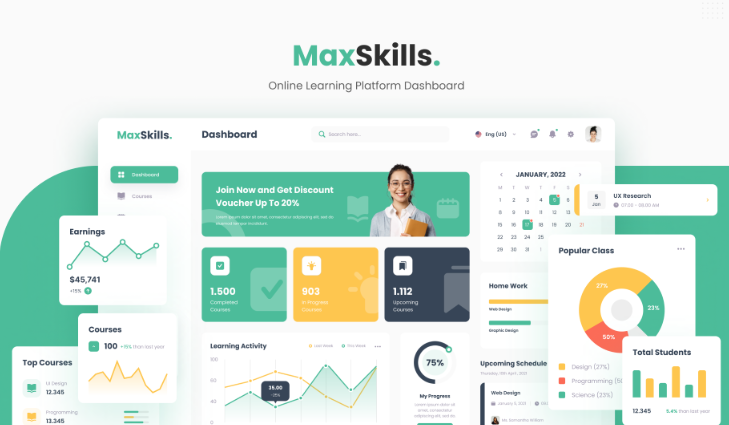
AI assists with every stage of course creation:
Course outlines: AI helps structure logical learning progressions and module breakdowns based on your topic and target audience.
Script writing: Generate video scripts, lesson narratives, and teaching points that explain concepts clearly.
Slide presentations: AI tools can create presentation content, suggesting talking points and visual elements.
Quiz creation: Automatically generate assessment questions, multiple-choice options, and answer explanations.
Course materials: Create worksheets, resource guides, cheat sheets, and supplementary PDFs.
Popular course topics include:
ChatGPT for Business: Teaching entrepreneurs and professionals how to use AI tools effectively in their work.
AI Marketing Masterclass: Comprehensive training on using AI for content creation, advertising, and social media.
No-Code AI Automation: Teaching how to build AI-powered tools and automations without coding skills.
AI Productivity Systems: Courses on using AI to enhance productivity, save time, and optimize workflows.
Why Online Courses Work
Courses command premium prices because they deliver transformation, not just information. Buyers pay for structured learning paths that help them achieve specific outcomes.
AI dramatically reduces production time. What used to require months of content creation can now be done in weeks with AI assistance handling research, scripting, and material generation.
Recurring revenue potential exists through communities, membership tiers, and updated content versions.
Creating Quality AI Courses
The most successful course creators:
- Solve a specific, urgent problem
- Include practical exercises and implementations
- Provide community support or Q&A access
- Use AI for content generation but add personal expertise
- Create professional video productions
- Offer certificates or completion bonuses
Price Range
$49 – $499 for comprehensive courses. Mini-courses and workshops sell for $29-99, while premium programs with coaching can exceed $1,000.
Best Platforms
Teachable, Thinkific, and Kajabi are popular course platforms. Some creators use Gumroad for simpler course delivery or build custom solutions with tools like Circle or Skool for community-based learning.
7. AI Social Media Content Kits
Review Overview
Social media content kits are comprehensive bundles that help businesses, influencers, and marketers consistently create and post engaging content across platforms like Instagram, TikTok, LinkedIn, and Twitter/X.
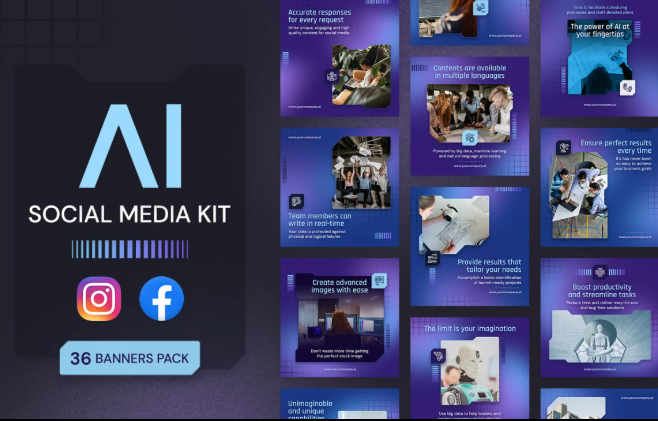
These kits typically include:
Caption libraries: Pre-written captions for various post types, customizable for different brands and industries.
TikTok and Instagram Reel scripts: Video content scripts, hooks, and call-to-action templates.
Content calendars: 30-day or 90-day posting schedules with content ideas and themes.
AI prompt collections: Prompts for generating social media content on-demand using ChatGPT or similar tools.
Viral post templates: Frameworks based on high-performing content formats and engagement patterns.
Hashtag research: Curated hashtag sets for different niches and content types.
The value proposition is solving the creator’s biggest pain point: the constant pressure to produce fresh, engaging content daily.
Why It’s High Demand
Social media marketing growth continues accelerating. Every business needs social presence, but most struggle with consistent content creation.
Content creators need daily posts. Influencers, brands, and marketers post 1-3 times per day across multiple platforms—that’s hundreds of pieces of content monthly.
Time savings are massive. A good content kit can reduce content planning from hours to minutes, making it worth paying for.
Creating Valuable Content Kits
Successful kits focus on:
- Specific niches (real estate agents, fitness coaches, e-commerce brands)
- Platform-specific content (Instagram-only kits, LinkedIn content systems)
- Seasonal or evergreen themes
- AI integration for customization
Price Range
$15 – $89 for comprehensive monthly content kits. Niche-specific kits targeting professionals command higher prices.
Where to Sell
Etsy performs exceptionally well for social media templates. Gumroad and Stan Store are also popular among content creators. Some sellers offer subscription models for monthly content kit delivery.
8. AI Automation Tools & Mini SaaS
Review Overview
This category represents the most sophisticated AI digital products: simple software tools and automation systems built using no-code platforms, GPT APIs, and automation services.
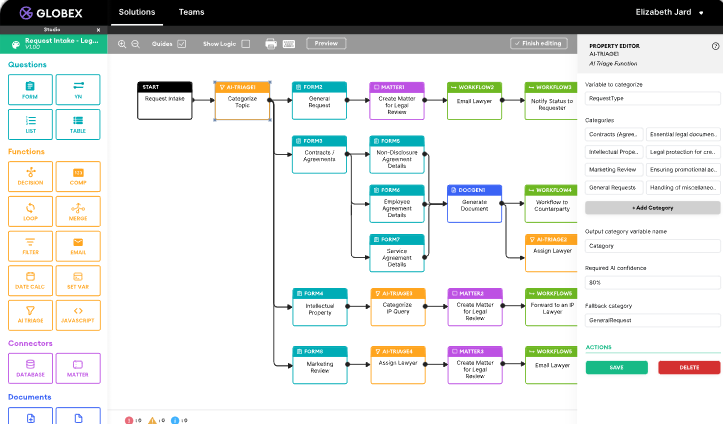
These aren’t complex enterprise software—they’re focused micro-tools that solve specific problems:
AI blog generators: Tools that create blog posts from keywords or topics.
AI email writers: Systems that generate email campaigns based on user inputs.
Business name generators: AI tools that create business names, domain suggestions, and taglines.
AI social media schedulers: Automation tools that generate and schedule posts.
Content repurposing tools: Systems that transform long-form content into social media posts, threads, or summaries.
Creators build these using platforms like Bubble, Make.com, Zapier, and OpenAI’s API without traditional coding skills.
Why This Category is Growing
Recurring revenue potential through subscriptions creates predictable monthly income instead of one-time sales.
Lower competition exists compared to templates and prompts because building tools requires more technical comfort.
Higher perceived value allows for premium pricing since buyers get ongoing utility, not just a one-time download.
Building Mini SaaS Products
The process typically involves:
- Identify a repetitive task people pay to solve
- Design the automation workflow
- Connect APIs (OpenAI, Anthropic, etc.)
- Create a simple user interface
- Set up payment processing
- Launch and iterate based on feedback
Important Considerations
This category requires ongoing maintenance, customer support, and API costs. It’s more complex than passive digital products but offers higher earnings potential.
Price Range
$10 – $50 per month for subscription-based tools. One-time purchases for simpler automations range from $29-99.
Platforms for Launch
Build on Bubble or no-code platforms, sell through your own website, and list on marketplaces like Product Hunt for discovery. Some creators use Gumroad for simple automation deliveries.
Where Creators Sell AI Digital Products
Choosing the right platform can make or break your digital product business. Different platforms serve different audiences and product types.
Gumroad has become the go-to platform for digital creators. It’s incredibly simple to set up, charges reasonable fees (10% on free plan, 3.5% on paid), and handles payments, downloads, and customer emails automatically. Best for: courses, ebooks, templates, and prompt packs.
Etsy reaches millions of buyers actively searching for digital products. It’s particularly strong for printables, social media templates, and design assets. The built-in traffic is valuable, but you’ll face more competition and need strong SEO. Best for: digital art, printables, social media templates, and Notion templates.
Shopify gives you complete control and ownership of your store. It’s ideal if you’re building a brand around multiple digital products. The monthly cost ($39+) makes sense once you’re generating consistent sales. Best for: serious creators building product brands and scaling to multiple products.
Lemon Squeezy is the newer competitor to Gumroad with better tax handling and merchant of record status, meaning they handle all tax compliance. Growing rapidly among digital creators. Best for: international sellers and those wanting simplified tax handling.
Whop specializes in digital products, courses, and memberships with a focus on community. It’s gaining traction among course creators and membership site builders. Best for: courses with community components and subscription products.
Personal websites using tools like WordPress + WooCommerce or ConvertKit give you maximum control and zero platform fees (except payment processing). Requires more setup but pays off long-term. Best for: established creators with existing audiences.
The best strategy often involves starting on a beginner-friendly platform like Gumroad or Etsy to validate your products, then expanding to your own website as you scale.
How to Create Your First AI Digital Product (Step-by-Step)
Let’s walk through the practical process of creating and launching your first AI digital product from idea to first sale.
Step 1: Choose Your Niche
Don’t try to serve everyone. Pick a specific audience with specific problems. Examples: social media managers, real estate agents, e-commerce store owners, productivity enthusiasts, or AI beginners.
Research existing products in your niche to understand what’s selling and what gaps exist. Look at Etsy best-sellers, Gumroad trending products, and Reddit communities in your target niche.
Step 2: Identify a Specific Problem
Your product must solve a real problem people are actively trying to solve. Ask:
- What tasks do people in this niche find time-consuming?
- What skills are they trying to develop?
- What frustrations do they frequently mention?
- What would make their work easier or faster?
The clearer and more specific the problem, the easier your product is to create and sell.
Step 3: Use AI Tools to Create the Product
This is where AI accelerates everything:
For prompt packs: Test prompts extensively in ChatGPT or Claude, refine based on outputs, organize into categories, and document results.
For templates: Use ChatGPT to generate frameworks, Canva AI for design, and Notion for productivity systems.
For ebooks: Research with AI, create outlines, generate draft content, then heavily edit and enhance with your expertise.
For courses: Use AI to create course structures, write lesson scripts, and generate supplementary materials.
The key is using AI as your assistant, not your replacement. AI speeds up creation; you ensure quality and add unique value.
Step 4: Package the Digital Product
Professional packaging increases perceived value and sales:
- Create an attractive product mockup or cover image
- Write compelling product descriptions highlighting benefits
- Include clear instructions or tutorials
- Add examples showing results
- Design professional-looking PDFs or files
- Create preview images for marketplace listings
Step 5: Launch on Marketplaces
Start with one platform to avoid spreading yourself thin:
- Set up your product listing with SEO-optimized titles and descriptions
- Price competitively for your first launch (you can increase later)
- Create 3-5 professional product images
- Set up email delivery and customer communication
- Test the purchase process yourself
Step 6: Promote with SEO and Social Media
Don’t just list and wait. Active promotion drives initial sales:
- Share on relevant Reddit communities (provide value, don’t spam)
- Post on Twitter/X with product screenshots
- Create YouTube videos demonstrating your product
- Write blog posts that rank for keywords your target audience searches
- Build an email list and share new products
- Engage in Facebook groups or Discord communities
Your first product might not be perfect, and that’s okay. Launch, gather feedback, improve, and create your next product. Momentum builds over time.
Tips to Make AI Digital Products That Actually Sell
Creating products is one thing; creating products that people actually buy requires strategic thinking. Here’s what separates successful creators from those who struggle:
Solve Real, Specific Problems
Generic products get lost in crowded marketplaces. “ChatGPT prompts” is too broad. “ChatGPT prompts for real estate agents to write property listings” is specific and valuable to the right audience.
Talk to potential customers. Join communities where your target audience hangs out. Pay attention to what they complain about and what they’re asking for help with.
Focus on One Niche Initially
Riches are in niches. It’s tempting to create products for everyone, but specific products for specific audiences sell better and command higher prices.
Once you’ve succeeded in one niche, you can expand to adjacent niches using the same product creation system.
Create Product Bundles
Bundling increases average order value. Instead of selling one template for $19, bundle five related templates for $49. Buyers perceive higher value, and you earn more per sale.
Create complementary products that work together, then offer them as discounted bundles.
Build Your Audience
The most successful digital product creators have audiences. Start building now:
- Create content on YouTube, TikTok, or LinkedIn
- Write blog posts targeting SEO keywords
- Build an email list offering free value
- Share helpful insights in online communities
An audience of 1,000 engaged followers can generate significant income from digital products.
Use SEO and Content Marketing
Marketplace SEO is crucial. On Etsy, optimize titles, tags, and descriptions with keywords buyers actually search for.
Content marketing works. Create blog posts, YouTube videos, or TikToks teaching topics related to your products. Include links to your products as helpful resources.
Show Results, Not Just Features
Don’t just list what your product includes. Show what buyers will be able to do or achieve after using it.
Before/after examples, case studies, and results screenshots are powerful selling tools.
Provide Excellent Customer Service
Quick, helpful responses to questions build trust and increase sales. Many buyers have pre-purchase questions—answer them promptly and thoroughly.
Handle refund requests professionally. A small percentage of refunds is normal and shouldn’t discourage you.
Common Mistakes Beginners Make
Learning from others’ mistakes saves time and frustration. Here are the most common pitfalls to avoid:
Copying Prompts Without Adding Value
The biggest mistake is taking free prompts from online sources and repackaging them for sale. This provides no unique value and damages your reputation.
Instead, test prompts extensively, refine them for better results, organize them intelligently, and add context explaining when and how to use each prompt.
Creating Low-Quality Templates
Rushed, poorly designed templates don’t sell. Buyers can spot low-effort products immediately.
Invest time in making your products genuinely useful and visually appealing. Your reputation depends on quality.
Having No Marketing Strategy
“Build it and they will come” doesn’t work. You need a plan for driving traffic to your products.
Allocate at least as much time to marketing as you do to creation. Great products that nobody sees don’t generate income.
Poor Product Design and Presentation
Your product listing is your storefront. Blurry images, typos in descriptions, and unclear value propositions kill sales.
Study successful listings in your category. Model their presentation style while adding your unique angle.
Giving Up Too Soon
Most creators don’t make significant money from their first product. Success comes from creating multiple products, learning from each launch, and building momentum over time.
Treat your first few products as learning experiences. Each one teaches you more about your audience, your market, and your creation process.
Ignoring Customer Feedback
Your customers tell you exactly what they need. Pay attention to questions, reviews, and feedback.
Use this information to improve existing products and create new ones that address specific requests.
Future of AI Digital Products
The AI digital product market isn’t slowing down—it’s accelerating. Several trends will shape the next few years:
AI Marketplaces Will Proliferate
Specialized marketplaces for AI products are emerging. Platforms dedicated to prompts, AI tools, and AI-generated assets will compete with general marketplaces like Etsy.
This creates opportunities for early movers to establish presence on new platforms.
Automation Tools Will Dominate
As AI becomes more accessible, demand for ready-made automation tools will surge. Creators who can package automations as simple, usable products will thrive.
No-code AI tool builders will make it easier for non-technical creators to build sophisticated automation products.
Personalized AI Products
The future includes AI products that adapt to individual users. Imagine templates that customize themselves based on user inputs or courses that adjust difficulty based on progress.
Creators who incorporate personalization will command premium prices.
AI Agents and Assistants
Custom GPTs and AI agents that solve specific problems will become major products. These are AI assistants trained for particular tasks or industries.
Creator Economy Expansion
More people are choosing creator careers over traditional employment. This expands the market for productivity tools, business templates, and educational products.
The confluence of these trends creates sustained opportunity for creators willing to adapt and innovate.
Final Verdict – Are AI Digital Products Worth Selling?
After reviewing the landscape of AI digital products, the answer is clear: yes, this is one of the most accessible and scalable online business models available in 2026.
The eight product categories we’ve explored—AI prompt packs, digital art, Notion templates, writing templates, ebooks, online courses, social media content kits, and automation tools—all represent genuine opportunities with active buyers and proven demand.
What makes this opportunity special is the combination of:
Low startup costs: You can start with free AI tools or low-cost subscriptions under $50/month.
High scalability: Digital products have no inventory limits. Create once, sell infinitely.
Global reach: Sell to anyone, anywhere, without dealing with shipping or logistics.
Growing market: AI adoption is accelerating, not slowing down, creating sustained demand.
Multiple revenue streams: Create products across different categories and price points.
The creators succeeding in this space aren’t just using AI to speed up creation—they’re adding genuine value, solving real problems, and building audiences that trust their expertise.
Your success won’t come from creating one product and retiring. It comes from consistently creating valuable products, learning from each launch, building an audience, and establishing yourself as a trusted creator in your niche.
The best time to start was a year ago. The second-best time is today.
If you want to build a location-independent income stream in 2026 that doesn’t require inventory, employees, or significant capital, launching AI digital products could be one of the smartest moves you make this year.
Pick one product category from this guide. Create your first product this week. Launch it next week. Then create another one.
The creator economy rewards those who take action. Your digital product business starts with that first launch.
Frequently Asked Questions
What are the most profitable AI digital products to sell?
The most profitable AI digital products in 2026 are online courses ($49-$499), comprehensive prompt packs ($29-$79), and AI automation tools ($10-$50/month subscription). These command premium prices while maintaining high profit margins since production costs are minimal after initial creation.
Do I need technical skills to create AI digital products?
No technical skills are required. Modern AI tools like ChatGPT, Midjourney, and Canva AI are designed for non-technical users. You’ll need to learn how to use these tools effectively, but no coding or advanced design skills are necessary for most product categories.
How long does it take to create an AI digital product?
Creation time varies by product type. Simple prompt packs can be created in 2-4 hours. Notion templates take 5-10 hours. Comprehensive ebooks require 10-20 hours. Online courses might take 40-80 hours. AI reduces these timelines by 50-70% compared to traditional creation methods.
Where is the best place to sell AI digital products?
Gumroad is best for beginners due to its simplicity and built-in audience. Etsy works excellently for printables and templates with high search volume. Shopify is ideal once you’re scaling to multiple products and building a brand. Start with one platform, then expand as you grow.
Can I make passive income from AI digital products?
Yes, digital products provide passive income potential. After creating and listing products, they can sell repeatedly without additional work. However, truly passive income requires marketing efforts initially to drive traffic, plus occasional product updates and customer support to maintain sales over time.
